

Washington State Guide to In Vitro Plants: Benefits, Care & Where to Buy
Why In Vitro Plants Are Transforming Modern Gardening in Washington State
Washington State is known for its rich agricultural heritage, diverse climate zones, and growing community of home gardeners, nurseries, and commercial cultivators. From the misty coastal regions to the fertile inland valleys, growers across the state are constantly searching for healthier, more reliable ways to cultivate premium crops and ornamental varieties. One innovation leading this transformation is the use of in vitro plants.
For growers seeking consistency, disease resistance, and faster propagation, in vitro plants have become a practical and future-focused solution. Whether you are a greenhouse operator, hobbyist collector, or commercial producer, understanding how these plants work—and where to source them—can make a significant difference in your success.
In this guide, we will explore the benefits of in vitro plants, proper care techniques, and trusted options for purchasing them in Washington State.
What Are In Vitro Plants?
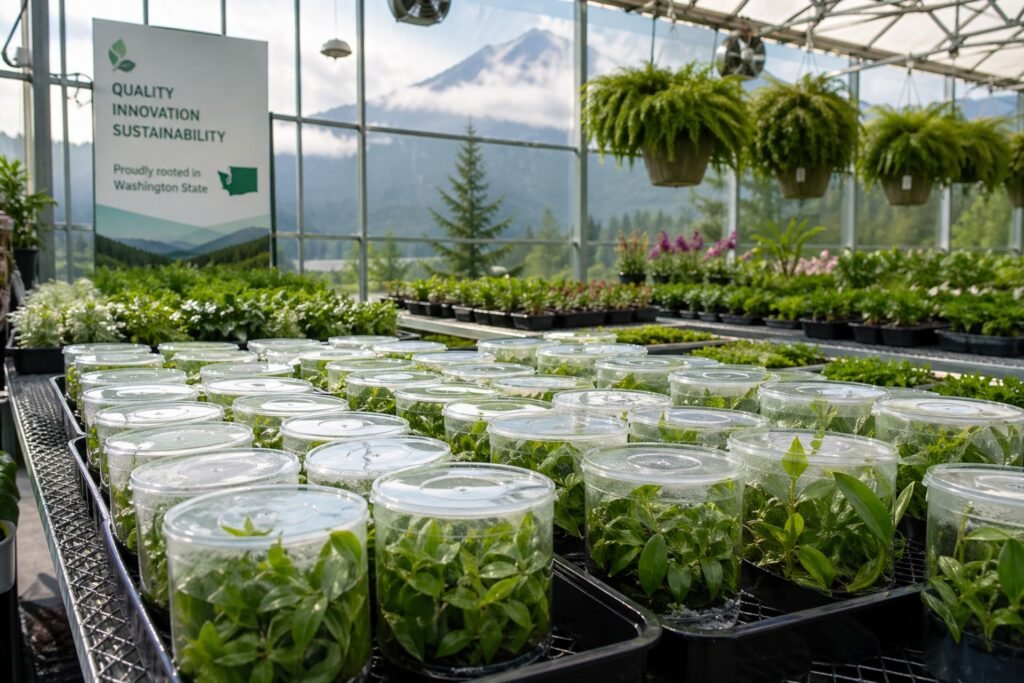
In vitro plants are cultivated under sterile laboratory conditions using advanced tissue culture techniques. Rather than being grown from traditional cuttings or seeds in open environments, these plants begin in a controlled setting where contamination risks are minimized and genetic consistency is maintained.
This process allows growers to produce large quantities of healthy, uniform plants efficiently. Since the plants are developed in clean, carefully monitored conditions, they often arrive stronger and more adaptable than conventionally propagated alternatives.
For Washington growers dealing with fluctuating weather, soil-borne pathogens, or seasonal unpredictability, in vitro plants provide a dependable starting point.
Why Washington Growers Prefer In Vitro Plants
1. Superior Health and Clean Growth
One of the biggest advantages of in vitro plants is their clean production process. Because they are developed in sterile environments, the likelihood of pests, fungi, and diseases is significantly reduced.
This gives growers peace of mind and lowers the need for intensive chemical treatments during early growth stages.
2. Uniformity Across Every Batch
For nurseries and commercial operations, consistency matters. In vitro plants are genetically stable, ensuring predictable growth habits, size, and quality.
This level of uniformity is especially valuable for large-scale cultivation where standardization directly impacts profitability.
3. Faster Scaling for Businesses
Tissue culture enables rapid multiplication of premium plant varieties. This means businesses can expand inventory quickly without sacrificing quality.
For Washington-based growers aiming to meet market demand efficiently, this is a major competitive advantage.
4. Year-Round Availability
Traditional propagation often depends on seasonal cycles. In contrast, in vitro plants can be produced throughout the year, ensuring continuous supply.
This supports long-term planning and uninterrupted production schedules.
Caring for In Vitro Plants Successfully
Although in vitro plants are cultivated in highly controlled environments, they require careful transition once introduced to standard growing conditions.
Acclimatization Is Essential
The first stage after receiving in vitro plants is acclimatization. Since they have been grown in sterile, humidity-controlled environments, they need gradual exposure to natural air, light, and temperature changes.
Place them in a warm, shaded area with moderate humidity during the adjustment period.
Use a Clean Growing Medium
A well-draining and sterile substrate is crucial. Choose a lightweight medium that retains moisture without becoming waterlogged.
Avoid using heavy garden soil in the early stages, as it may introduce pathogens or restrict root development.
Monitor Moisture Carefully
Young in vitro plants need balanced hydration. Overwatering can damage delicate roots, while underwatering can stress developing tissues.
Maintain consistent moisture without saturation.
Provide Indirect Light Initially
Strong direct sunlight can overwhelm newly acclimatized plants. Begin with filtered or indirect light and gradually increase exposure over time.
This helps strengthen foliage while minimizing stress.
Where to Buy In Vitro Plants in Washington State
Finding a reliable supplier is just as important as understanding plant care. Quality sourcing ensures healthier stock, stronger growth, and long-term cultivation success.
For Washington growers, partnering with an experienced tissue culture provider can streamline operations and improve outcomes.
One trusted source is Canadian Invitro Plants, a professional supplier specializing in premium in vitro plants for growers across North America.
Their focus on quality, consistency, and customer support has made them a dependable partner for commercial and individual buyers alike.
You can also explore valuable horticultural guidance through organizations like the Washington State University Extension for region-specific cultivation insights.
For direct access to premium selections, visit the company’s official page here: Canadian Invitro Plants.
Why Choose Canadian Invitro Plants for Washington Orders?
Expertise in Tissue Culture
Canadian Invitro Plants is dedicated to advanced propagation methods that prioritize quality and performance.
Their laboratory-driven processes ensure plants meet high standards before reaching customers.
Reliable Shipping Across Regions
Washington buyers benefit from dependable logistics and careful packaging that protect plant health during transit.
Professional Support
From order selection to post-delivery guidance, their team provides assistance tailored to grower needs.
Commitment to Excellence
Their reputation is built on delivering healthy, vigorous in vitro plants suitable for both commercial expansion and personal collections.
The Future of Sustainable Growing
As agriculture and horticulture continue evolving, growers are increasingly turning to innovative solutions that reduce risk and maximize efficiency.
In vitro plants represent a smarter, cleaner, and more scalable approach to cultivation.
For Washington State growers navigating modern agricultural demands, investing in tissue culture-grown plants offers both immediate and long-term advantages.
With better health, improved consistency, and strong supplier partnerships, growers can position themselves for greater success in competitive markets.
Final Thoughts
Washington State’s dynamic growing environment creates exciting opportunities for cultivators who embrace advanced methods.
By choosing in vitro plants, growers gain access to healthier stock, faster scalability, and greater reliability throughout the cultivation process.
Whether you are launching a new nursery, expanding production, or simply exploring premium propagation options, selecting the right supplier and applying proper care practices will set the foundation for lasting success.
Thank you for reading! If you’re ready to grow with us, connect with Canadian Invitro Plants today 🌱✨
🔗 Website: https://canadianinvitroplants.com
📍 Abbotsford, British Columbia, Canada
📞 Contact: +1 604-621-0545